
Why travel to canada
Why Travel to Canada? 5 Reasons to Make Canada Your Next DestinationCanada is more than just a country of breathtaking […]
Read articleUnderstanding without being able to speak is the most common blockage. What a conversation course actually does, who it suits and how to get the most from it.
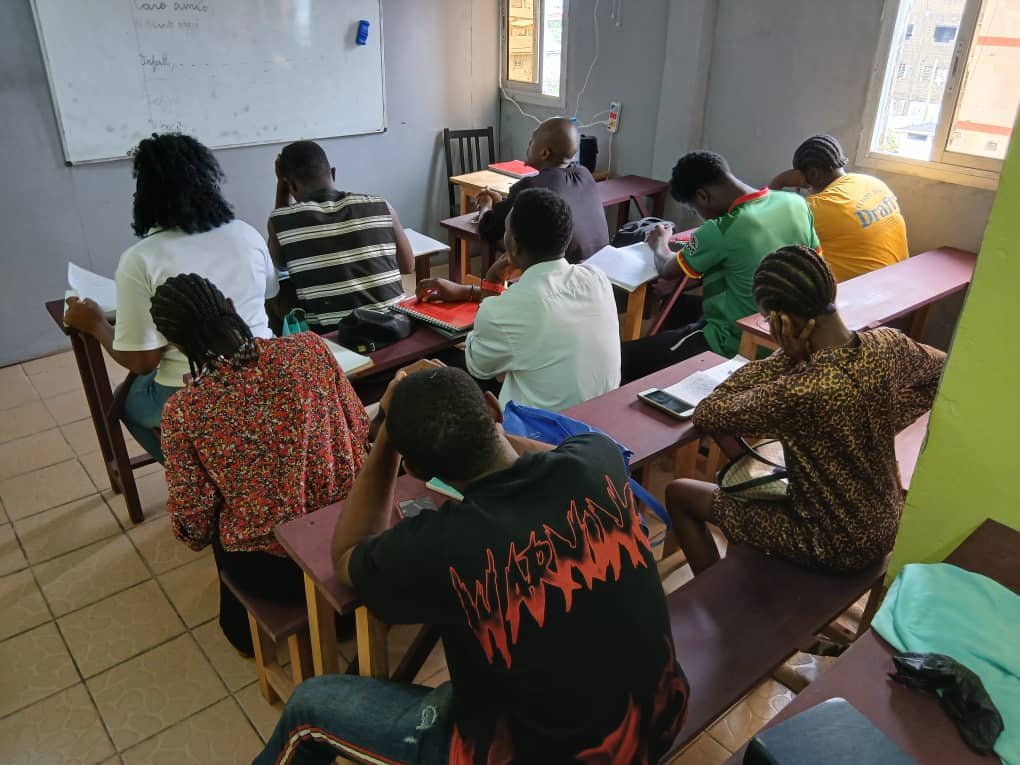
Many learners arrive with the same sentence: “I understand, but I cannot speak.” It is the most common symptom of an unbalanced approach, where years of grammar were never converted into speech. The conversation course exists precisely to treat that blockage.
Understanding a rule and applying it in real time are two separate skills. The first is knowledge; the second is a reflex, and a reflex is only acquired through repetition in context.
That is why a learner can complete a gap-fill exercise on the perfect tense and still freeze for three seconds before describing their day. The knowledge is there; fast access to it is not.
Speaking requires producing meaning, choosing words, building a sentence and pronouncing it — all at once. None of those operations can be practised in silence.
In a general course, most of the time goes to explanation and written exercises. Individual speaking time is measured in minutes per session. A conversation course reverses that ratio: you speak for most of the lesson.
Immediate, systematic correction interrupts speech and installs a fear of getting it wrong. A good conversation course defers correction, notes recurring errors and deals with them afterwards, without breaking the flow.
Opening phrases, connectors, ways of buying time, asking for a rephrase, taking back the floor: these tools do not appear in grammar books but make all the difference in a real exchange.
Pronunciation practised in isolation progresses slowly. In conversation it corrects itself naturally, because the other person does not understand — immediate, concrete feedback.
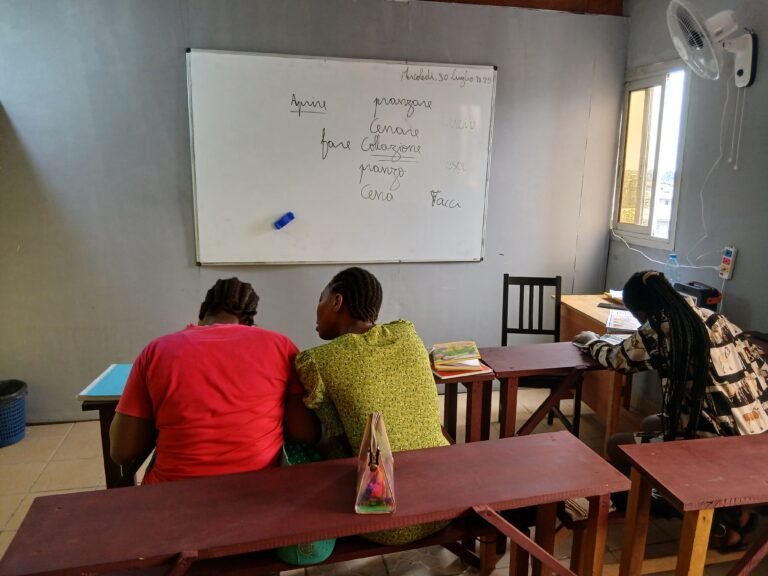
You understand but do not dare speak? PVT Institut offers purely spoken formats in French, English, Italian and German, over six weeks.
This format suits absolute beginners less well: without a minimum base of vocabulary and structures, conversation runs on empty. A consolidated A1 is usually the useful entry point.
That is the entry condition. A learner who waits until they are sure before opening their mouth does not progress, because they never expose themselves to the error that corrects.
Arriving with two or three topics you want to talk about produces better results than learning sentences by heart, which collapse as soon as the exchange moves elsewhere.
When a word escapes you, note it down in French and carry on. By the end of the session you have a vocabulary list perfectly matched to your real needs — far more useful than a generic thematic list.
It is uncomfortable and highly effective. You hear your own hesitations, verbal tics and recurring errors far better than you notice them while speaking.
Unblocking speech is usually faster than grammatical progress, because it is about mobilising knowledge you already have rather than acquiring new knowledge. That is what makes this format satisfying: the first effects are felt within sessions, not years.
What matters is frequency. Two short sessions a week produce more than one long monthly session, speech being a skill that needs maintenance.
The two formats answer different needs. Conversation builds general fluency; exam preparation works on a specific format, with its instructions and its mark scheme.
If you have an exam deadline approaching, targeted preparation comes first — see the page examens internationaux. If your speaking is blocked further upstream, conversation is the better investment first: it then makes exam preparation far more effective.
Speaking is a distinct skill, built through speech rather than through rules. A conversation course increases speaking time, defers correction, installs conversational reflexes and corrects pronunciation in context. For a learner who understands but cannot speak, it is often the format that unlocks things fastest.
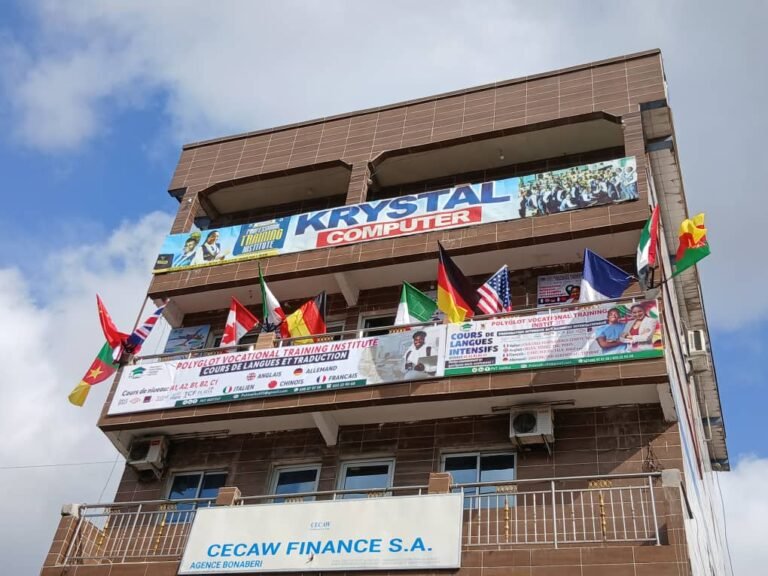
PVT Institut offers purely spoken formats over six weeks in Rails-Bonaberi. To establish your level, write to the institute.
PVT Institut teaches English, French, German, Italian and Chinese in Rails-Bonaberi, Douala.
Why Travel to Canada? 5 Reasons to Make Canada Your Next DestinationCanada is more than just a country of breathtaking […]
Read articleMINEFOP accreditation, the choice of Bonaberi, five languages, exam preparation and support with paperwork: what the institute covers.
Read articleGermany, Canada, the UK, Italy, China: how to work out which language and level to target from your destination, your deadline and your…
Read article