Studying in Italy from Cameroon: the role of language and certification
Why language governs an Italian application, which certifications are accepted, and how to build a backwards calendar that includes exams and translations.
Read articleGermany, Canada, the UK, Italy, China: how to work out which language and level to target from your destination, your deadline and your budget.
“Which language should I learn?” It is the most frequent question at a language institute’s front desk, and the most poorly framed. There is no objectively better language: there is a language that matches your plan, your calendar and your means. Here is how to decide methodically.
The useful question is not “which language is most useful?” but “where do I want to go, and what does that place require?”. A destination generally imposes a specific language and level, documented by the university, the employer or the consular service.
If you are still hesitating between several destinations, that is the choice to clarify first. Learning a language “just in case” costs months and money, and the real requirement always catches up with you.
German is unavoidable. For a dual vocational training programme, B1 is frequently required; for higher education, more likely B2 or C1, or a TestDaF. English alone opens few doors in standard German procedures.
It is a long investment but a very well-marked one: the levels, the exams and the requirements are clearly defined. See our article on German levels A1 to C1.
Both official languages count, and this is a particular situation for a francophone Cameroonian candidate: certified French can weigh as much as, or more than, English in certain procedures.
Many candidates assume only English counts and overlook a French certification they would obtain faster. Our article on choosing a French test sets out the options.
Certified English is the entry condition. IELTS and TOEFL are the most requested; the required score varies widely by institution and course. See our IELTS preparation guide.
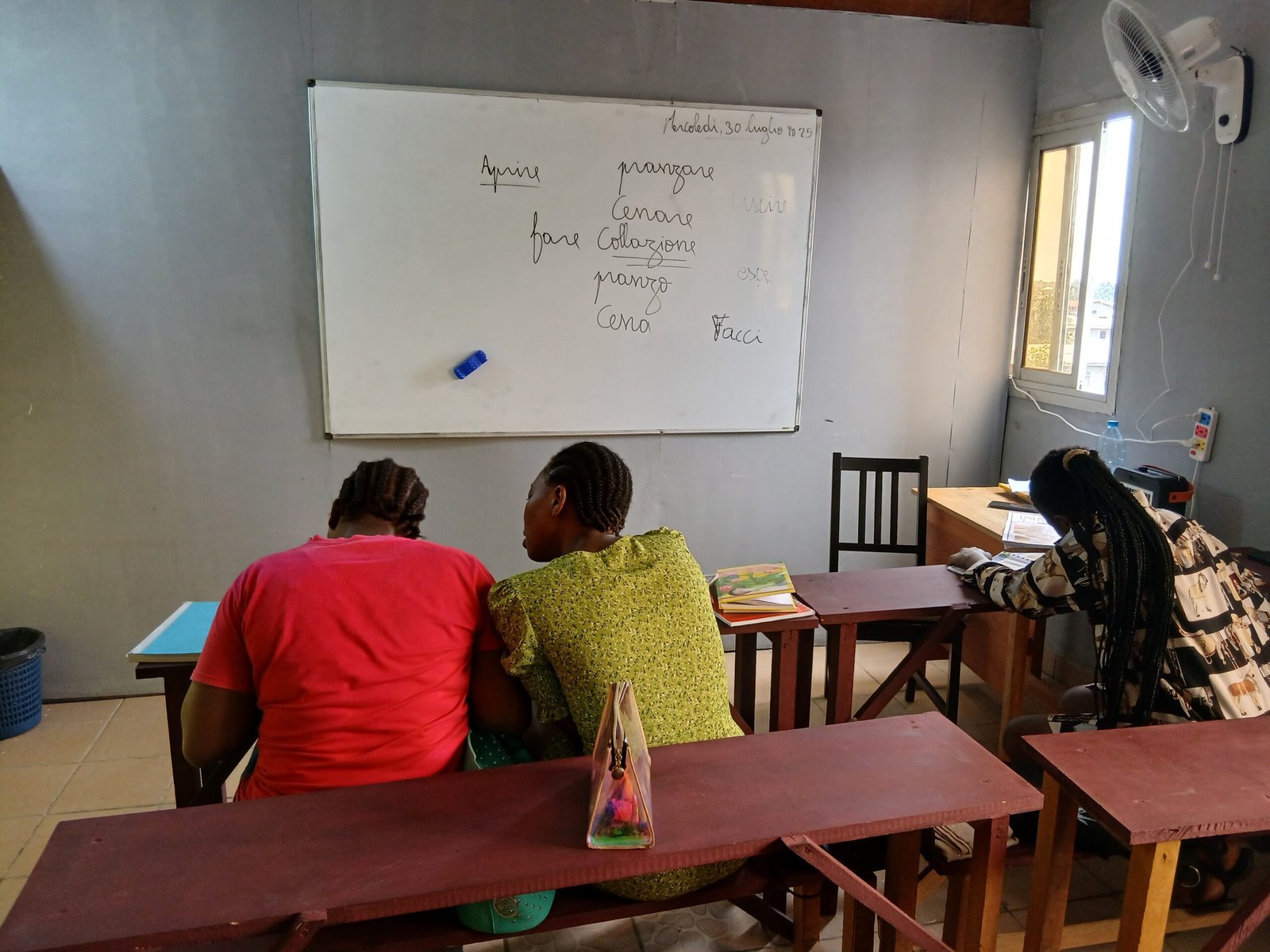
Programmes taught in Italian require an Italian certification; programmes in English, an English one. The first route is often more accessible in both places and costs. See studying in Italy from Cameroon.
Chinese certified by the HSK is a strong signal, still relatively rare on the Cameroonian market. Some courses are taught in English, but command of Mandarin changes the nature of the stay and the opportunities. See notre guide du HSK.
Hesitating between two languages? Describe your destination and your deadline: the choice usually becomes obvious.
If your deadline is close, the language you already partly command almost always wins. Certifying existing French or English takes less time than reaching B1 in a new language.
Count course fees, textbooks, exam fees and possibly a second attempt. A language learned from zero to B2 means several successive levels.
A certification you obtain stays an asset. The DELF and DALF are valid for life; a TCF or TEF has limited validity. If your plan might slip by a year, that detail matters.
That is a legitimate position, particularly for pupils and students. In that case, two reasonable strategies:
What to avoid is starting three languages in parallel. Spreading yourself thin produces three unusable A2 levels rather than one workable B2.
If the destination is Germany, there is no debate: it is German. If the destination is open, English offers more flexibility and a lower entry cost for a francophone already schooled in English.
German is justified when the German plan is real and dated — not as a general bet. It is a demanding language whose value comes precisely from the specific door it opens.
Choose the destination, read the written requirement, then deduce the language and the level. Then weigh your deadline, your total budget and how long the certification stays valid. And if the plan is not settled, consolidate English and speaking rather than spreading yourself thin.
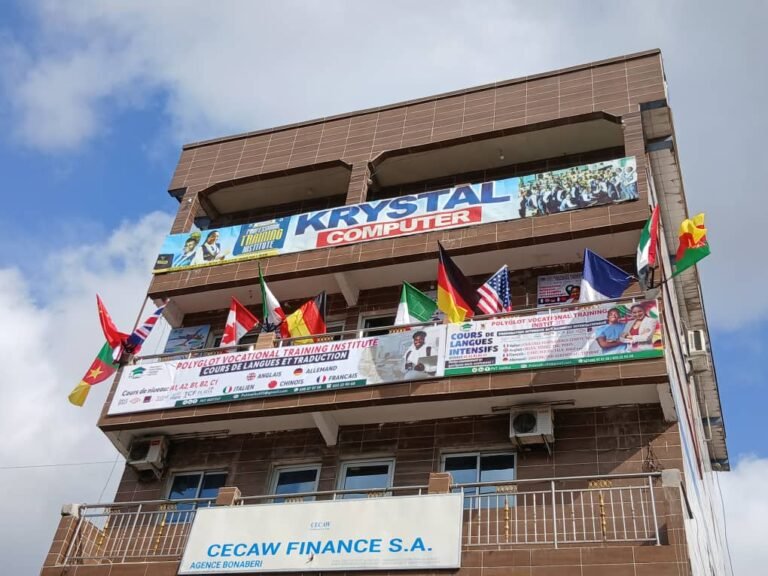
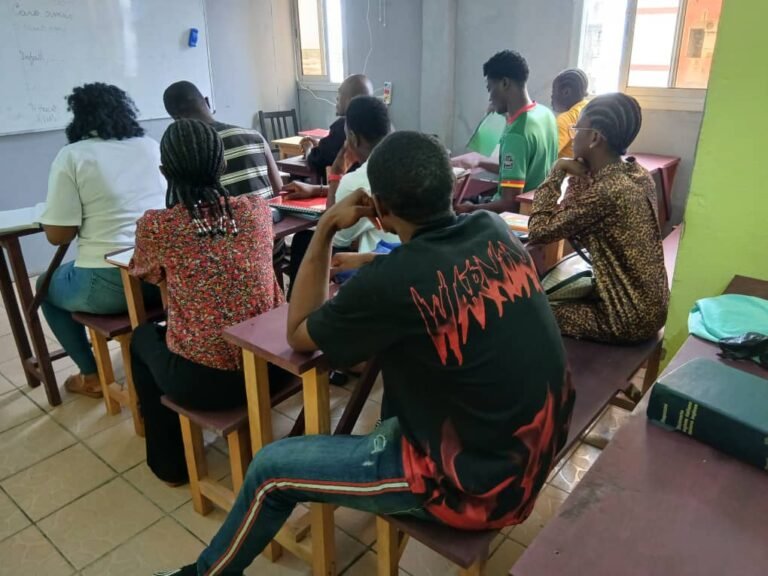
PVT Institut teaches five languages in Rails-Bonaberi — English, French, German, Italian and Chinese — and prepares candidates for the corresponding certifications. To situate your plan, talk it through with an adviser.
PVT Institut teaches English, French, German, Italian and Chinese in Rails-Bonaberi, Douala.
Why language governs an Italian application, which certifications are accepted, and how to build a backwards calendar that includes exams and translations.
Read articleWhy Travel to Canada? 5 Reasons to Make Canada Your Next DestinationCanada is more than just a country of breathtaking […]
Read articleMINEFOP accreditation, the choice of Bonaberi, five languages, exam preparation and support with paperwork: what the institute covers.
Read article