Which language should you learn for your move abroad?
Germany, Canada, the UK, Italy, China: how to work out which language and level to target from your destination, your deadline and your…
Read articleWhy language governs an Italian application, which certifications are accepted, and how to build a backwards calendar that includes exams and translations.
Italy has become a credible study destination for many Cameroonian students: public universities with moderate tuition fees, regional scholarships, and a labour market open to certain profiles. But an Italian application turns largely on language, and that is where many candidacies stall.
Two routes exist. Programmes taught in English require an English certification. Programmes in Italian — the majority of the public offer, particularly at bachelor level — require a certified Italian level, generally B1 or B2 depending on the institution and the course.
The second route is often the more accessible in terms of places and costs, but it imposes a calendar constraint: reaching B1 or B2 from scratch cannot be improvised in the weeks before a deadline.
This is why Italian has to be started avant the rest of the application, not alongside it.
Several bodies certify Italian as a foreign language. The ones most commonly named in applications are:
As with German or French, the rule stays the same: it is not your preference that decides, but the list of certifications accepted by the university you are applying to. Check it on the institution’s admissions page, not on a forum.
The four usual skills: listening and reading comprehension, spoken and written expression, sometimes with a structures section. A minimum score is required in each paper, which rules out offsetting weak speaking with excellent writing.
Italian offers a real advantage to a French speaker: lexical and grammatical proximity is strong. Vocabulary is often transparent, verb tenses follow a logic close to French, and pronunciation is regular — what is written is what is said.
That advantage is real but it has a limit: proximity makes comprehension easier and correction slower. False friends and calques from French settle in quickly and are hard to undo. Guided learning from the start avoids fossilising those errors.
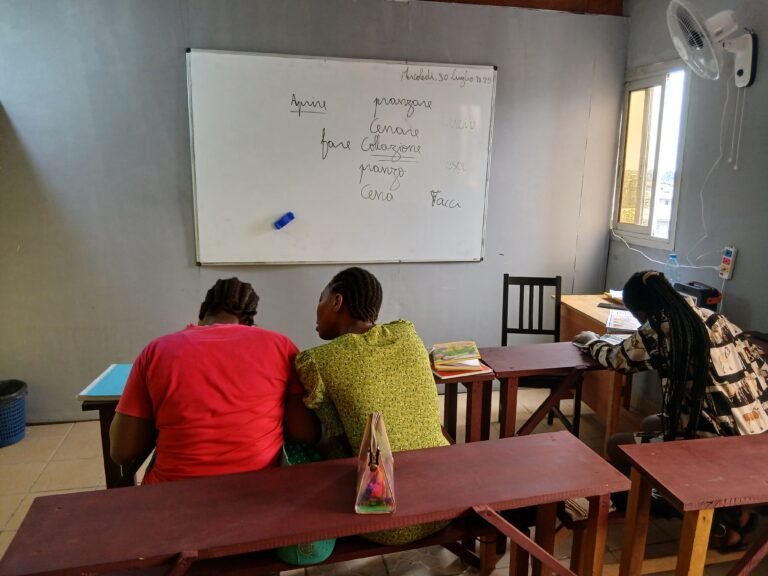
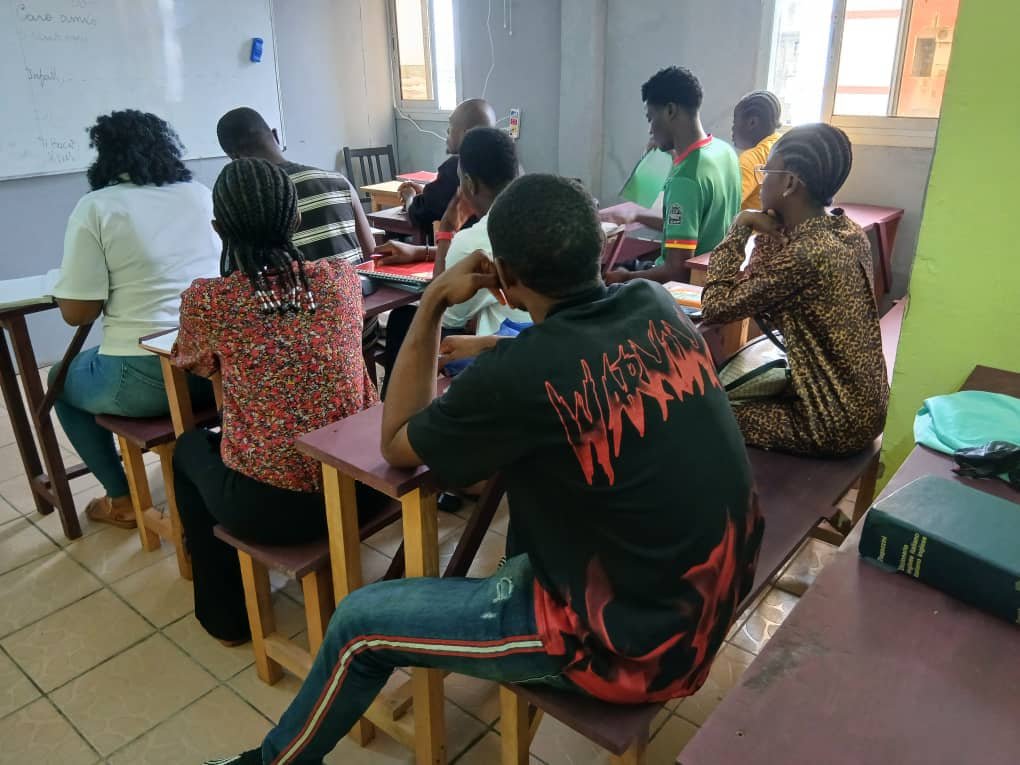
In practice, a structured intensive track progresses markedly faster than scattered study. PVT Institut offers Italian from A1 to B2, with an intensive format of one month per level; details are on the page language courses and fees.
Planning to study in Italy? The language level required governs the calendar of the whole application. Have it checked before you commit.
This is the method that prevents incomplete applications. Start from the university’s application deadline, then work back:
This last step is regularly forgotten. Transcripts, diplomas and certificates often have to be translated, and that translation takes time. PVT Institut provides translation of administrative and academic documents between French, English, German, Italian and Chinese.
A point often overlooked: the certificate gets you in, but your real level keeps you there. Following lectures, writing assignments, sitting orals and living day to day demand more than a score scraped by.
Students who arrive with a genuinely consolidated level — not just a piece of paper — settle in faster, understand their courses from the first semester and find student work more easily. That is an argument for not aiming at the bare minimum.
It is the longest step in the application: it has to start first.
Proximity helps you understand, not produce. The exam assesses production.
Sitting a test the target institution does not recognise means starting again, with a session lost.
A plan to study in Italy is built around language: identify the level required and the certification accepted, start Italian before the rest of the application, and work the calendar back from the deadline, factoring in exam and translation delays.
PVT Institut teaches Italian in Rails-Bonaberi and prepares candidates for the CILS, PLIDA, CELI, CERT.IT and DITALS exams. To discuss your calendar, contact the institute.
PVT Institut teaches English, French, German, Italian and Chinese in Rails-Bonaberi, Douala.
Germany, Canada, the UK, Italy, China: how to work out which language and level to target from your destination, your deadline and your…
Read articleWhy Travel to Canada? 5 Reasons to Make Canada Your Next DestinationCanada is more than just a country of breathtaking […]
Read articleMINEFOP accreditation, the choice of Bonaberi, five languages, exam preparation and support with paperwork: what the institute covers.
Read article